
Gauze RFQs: Separate Full and Usable Width
A gauze RFQ should ask separately for full fabric width and the width the buyer can actually use, with the included edges and measurement condition defined for each. Connect the answer to a specific product reference rather than an unqualified width option. Jinbu Mitextile lists a double-layer cotton gauze fabric with width choices, but the buyer still needs to confirm what those choices measure. The intended use for a bib, garment or other sewn item does not resolve that question.
Explain the layout question behind the width request
Procurement teams often ask for width because a production team needs to place pattern pieces across the fabric. A supplier can answer with an overall edge-to-edge figure while the buyer expects a usable area that excludes selected edges. Neither party has necessarily made an arithmetic error. The mismatch comes from using the same word for different boundaries. State the layout question so the supplier knows which information the buyer needs.
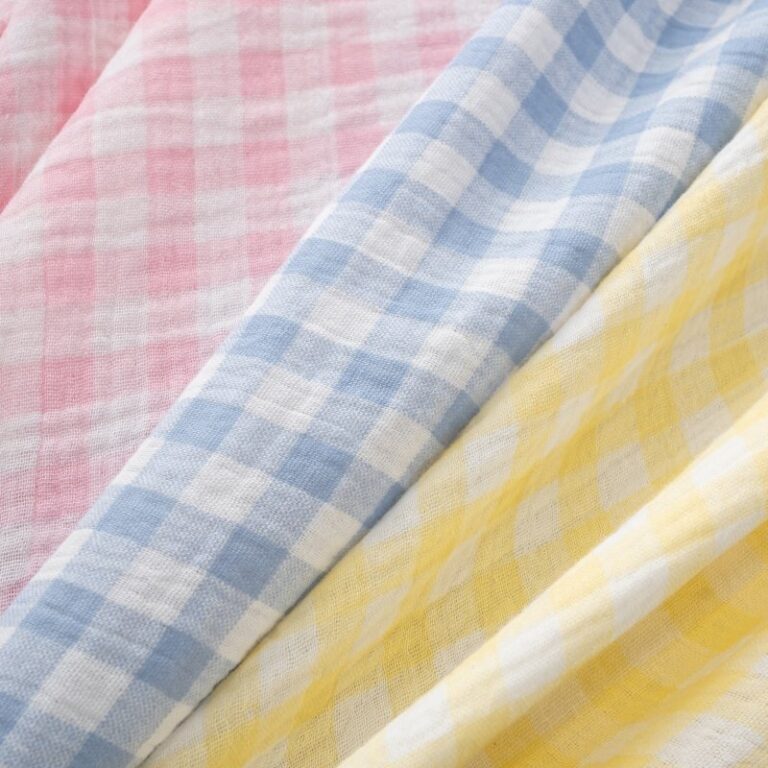
Keep the selected fabric reference beside the request. Similar-looking checks or colours can appear in several offers, so a general photograph does not identify the exact material being quoted. Ask the supplier to name the product version and any relevant finishing condition. Treat catalogue composition wording as the supplier’s description until the applicable specification or evidence is confirmed for the purchase.
Put the boundaries into the RFQ table
Use separate fields for the two width concepts even when the supplier initially reports the same figure for both. If they are identical, ask the supplier to state why that is the intended basis. An explicit answer is easier to carry into the order than an assumption hidden in a spreadsheet heading.
Field | Buyer definition to provide | Supplier answer to retain
Full width | The intended edge-to-edge reference | Value, unit and included edges
Usable width | The area needed for the buyer’s layout | Value and any excluded edge zones
Sample condition | Condition relevant to the comparison | How the reported sample was presented
Product identity | Selected catalogue reference and variant | Offered version or supplier code
Pattern placement | Whether layout depends on a print reference | Any separately confirmed placement constraint
Order basis | Which confirmed width the order will use | Agreed description and unresolved items
Ask for a sample view that includes the edges
A close photograph of checks can be useful for discussing appearance while providing no view of the fabric edges. Request an additional reference showing the width direction and the relevant boundaries on the same identified sample. The supplier should indicate the measuring points and explain any excluded area. Do not estimate width from the apparent size of the checks in a product photograph.
When a sample is folded, ask which folds are visible before treating an outer edge as the edge of the fabric. The full-product reference and the detailed appearance view serve different purposes. Keep them together so that the buyer can relate an attractive swatch photograph to the width information actually supplied. A missing edge view is an open question, not a reason to invent a likely allowance.
State the condition without assuming a treatment result
A width comparison is clearer when the supplier identifies the sample condition. Ask whether the reported figure describes the supplied state or some other agreed condition. If the buyer needs information after a specified process, describe that requirement separately and ask the supplier how it can be supported. Do not infer a shrinkage result, care instruction or finished dimension from the word gauze or from a softly draped photograph.
Jinbu Mitextile’s product description uses composition and application terms for its double-layer gauze offer. Those terms help identify the inquiry, but they do not replace the buyer’s own requirements. Any claim concerning infant use, compliance or a particular textile property needs applicable confirmation. Keep those questions separate from the width answer so that one resolved field does not appear to approve everything else.
Compare quotations using the confirmed width basis
If one offer states full width and another states usable width, mark them as different bases until the supplier clarifies the missing information. Avoid adjusting the figures by an assumed edge deduction. That adjustment may look precise while having no support for the selected fabric. A useful comparison sheet shows the supplier’s original answer, the buyer’s requested definition and any remaining question side by side.
Also keep width separate from the quantity unit used in the quotation. A fabric order may require a distinct discussion of how quantity is described and supplied. Do not let an answer to the width question silently define that commercial unit. The purchase record should identify both the fabric version and the relevant quantity and width terms.
Approve a reference that another team can read
Before confirming the order description, give the pattern or production team the same width definitions and sample reference used in the RFQ. Ask them to identify which confirmed field supports their layout. Attach the supplier’s edge view and any agreed conditions to that reference. A later change in fabric version or reported width should reopen the affected field rather than silently replacing the original figure.
• Name full and usable width separately.
• Identify included edges and the selected fabric version.
• Record the condition associated with the reported measurement.
• Leave unsupported deductions and textile performance claims out of the comparison.
Frequently asked questions
Are full width and usable width always different?
Not necessarily. Ask the supplier to define both for the selected offer. The important point is an agreed boundary, not an assumed deduction.
Can the check pattern provide a width measurement?
A catalogue photograph is not a measuring reference. Request the relevant edges, measuring points and unit on an identified sample or drawing.
Does the cotton label confirm every requirement for the intended sewn item?
No. Composition wording, intended application, compliance and performance questions need their own applicable confirmation. A width answer does not resolve them.
What if the supplier provides only one width figure?
Ask what that figure includes and which of the buyer’s width definitions it answers. Keep the other field open until the reply is clear.
Product and contact references
Jinbu Mitextile double-layer gauze product reference: https://jinbumitextile.com/product/double-layer-cotton-gauze-fabric-fabric-for-baby-bibs-fabric-for-loungewear-and-pajamas/
Jinbu Mitextile product catalogue: https://jinbumitextile.com/products/
Contact Jinbu Mitextile: https://jinbumitextile.com/contact/
Jinbu Mitextile blog: https://jinbumitextile.com/blog/